Eclipse of the Century: why 2 August 2027 lasts more than six minutes near Luxor
For about six minutes and 20 seconds on 2 August 2027, daylight near Luxor, Egypt, will collapse into an eerie twilight. The Sun’s brilliant surface will disappear behind the Moon, the corona will emerge, bright planets and stars may become visible, and the desert landscape will sit inside the Moon’s racing shadow.
That duration is extraordinary. Many total solar eclipses offer only two or three minutes of totality; some last mere seconds. The 2027 maximum will reach approximately 6 minutes 23 seconds at greatest eclipse, around 10:06 UTC, near 25.5° north, 33.2° east—roughly 64 kilometres (40 miles) southeast of Luxor. Sites in and around Luxor should receive approximately 6 minutes 19 seconds to 6 minutes 21 seconds, depending on their exact coordinates and the prediction model used.
Those few seconds of difference matter scientifically, but they should not obscure the human scale of the event: Luxor will receive nearly the full maximum while offering a far more practical base than an arbitrary point in open desert. Use our Eclipse Explorer and 3D map to check whether a specific hotel, viewing site or meeting point lies inside the path and how its predicted duration compares with the centre line.
This is our longest solar eclipse 2027 Luxor duration 2027 guide to the celestial geometry behind the headline—and to what those six minutes will actually feel like.
The essential numbers at a glance
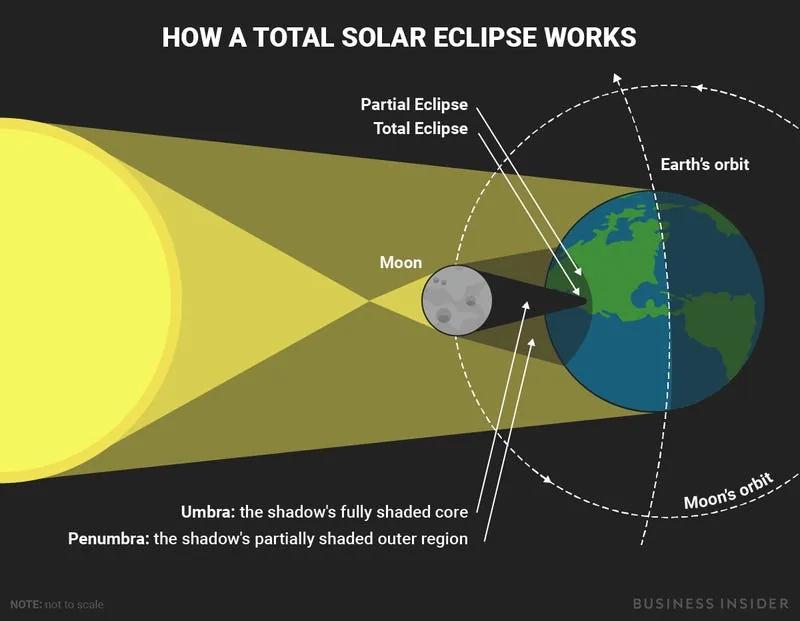
The eclipse of August 2 2027 will carry the Moon’s umbra—the dark central shadow responsible for totality—from the Atlantic across southern Spain, Gibraltar, North Africa, the Middle East and into the Indian Ocean. The path will be approximately 258 kilometres (160 miles) wide near its broadest region, and the shadow will take roughly three hours and 20 minutes to cross the planet.
For the Luxor region, these are the planning anchors worth remembering:
- Date: Monday, 2 August 2027.
- Greatest eclipse: approximately 10:06 UTC.
- Maximum duration anywhere: approximately 6 minutes 23 seconds.
- Location of greatest eclipse: approximately 25.5° N, 33.2° E, southeast of Luxor.
- Luxor totality: approximately 6 minutes 19–21 seconds, varying by site and calculation.
- Maximum near Luxor: around 1:02 p.m. EEST, equivalent to about 10:02 UTC.
- Solar altitude in Luxor: roughly 82°, placing the Sun almost overhead.
- Path width: approximately 258 kilometres in the maximum-duration region.
The compact phrase luxor eclipse 2027 time therefore needs both a clock and a location attached to it. About 1:02 p.m. local time is a useful city-level reference, not a substitute for checking the contact times at your exact coordinates. A site east or west of the city will encounter the moving shadow at a slightly different moment.
Likewise, Luxor is not the precise point of greatest eclipse. The theoretical maximum lies southeast of the city, but moving there gains only a few seconds. Astronomy’s longest number is not automatically the best observing plan.
Why this total eclipse lasts so long
A long total eclipse requires several pieces of orbital geometry to cooperate. None of them alone creates six minutes of darkness; the exceptional duration comes from their combination.
The Moon appears unusually large
The Moon follows an elliptical rather than perfectly circular orbit around Earth. Its apparent diameter changes as its distance changes. When a total eclipse occurs with the Moon relatively close to Earth, the lunar disk looks larger in our sky and can cover the Sun for longer.
In August 2027, the Moon will be favourably placed in its orbit, so its apparent disk will be comfortably large enough to conceal the photosphere—the dazzling visible surface of the Sun. This produces a broad umbra and gives an observer near the centre line more time between second contact, when totality begins, and third contact, when the first direct sunlight returns.
The Sun appears slightly smaller in August
Earth’s orbit is elliptical too. Our planet reaches aphelion, its greatest distance from the Sun, in early July. On 2 August, Earth will still be relatively far from the Sun, making the solar disk appear a little smaller than it does around January.
The difference is subtle to the unaided eye, but eclipses are contests of apparent diameter. A larger-looking Moon crossing a smaller-looking Sun is the combination that favours a long total phase.
The shadow passes near Earth’s sunlit midpoint
Near greatest eclipse, the Moon’s shadow reaches a part of Earth where the Sun is almost overhead. At Luxor, the Sun will stand about 82° above the horizon at maximum eclipse, only around 8° from the zenith. Near the point of greatest eclipse, it will be closer still.
This geometry matters because the shadow strikes Earth more directly. A shadow arriving at a shallow angle becomes stretched across the surface, while a near-vertical encounter produces more favourable geometry for maximum totality. Earth’s rotation also carries observers eastward in the same general direction as the Moon’s shadow, modestly extending the time they remain inside it.
Together, the Moon’s distance, Earth’s distance from the Sun, the near-overhead Sun and the track of the umbra explain why the longest solar eclipse 2027 reaches beyond six minutes.
Why Luxor gets about 6m20s rather than exactly 6m23s
The advertised 6 minutes 23 seconds is the maximum at one calculated point, not a blanket duration for Egypt or even for every location around Luxor. Totality changes continuously along and across the path.
Imagine the umbra as a moving oval. An observer near its central axis crosses a long chord through that shadow. Someone closer to the northern or southern edge crosses a shorter chord and receives less totality. Along the track, the changing distances and angles among the Sun, Moon and curved surface of Earth also alter the duration.
Luxor lies extremely favourably within the path, close enough to the maximum-duration region that the difference is only a few seconds. Astronomy.com places greatest eclipse roughly 64 kilometres southeast of the city and notes that an observer around Karnak would lose less than two seconds relative to the nearby maximum under the prediction discussed there. Other published tables give Luxor approximately 6 minutes 19 seconds, while event summaries commonly round the city’s circumstances to about 6 minutes 20 or 21 seconds.
That is why longest solar eclipse 2027 luxor duration should be expressed as a site-dependent estimate, not a promise accurate to the second. Final contact times should always come from coordinates for the actual viewing field. Our detailed Luxor planning guide goes deeper into the city’s observing geometry and practical conditions.
What six minutes of totality will actually feel like
Six minutes sounds brief on a travel itinerary. Under the Moon’s umbra, it is spacious.
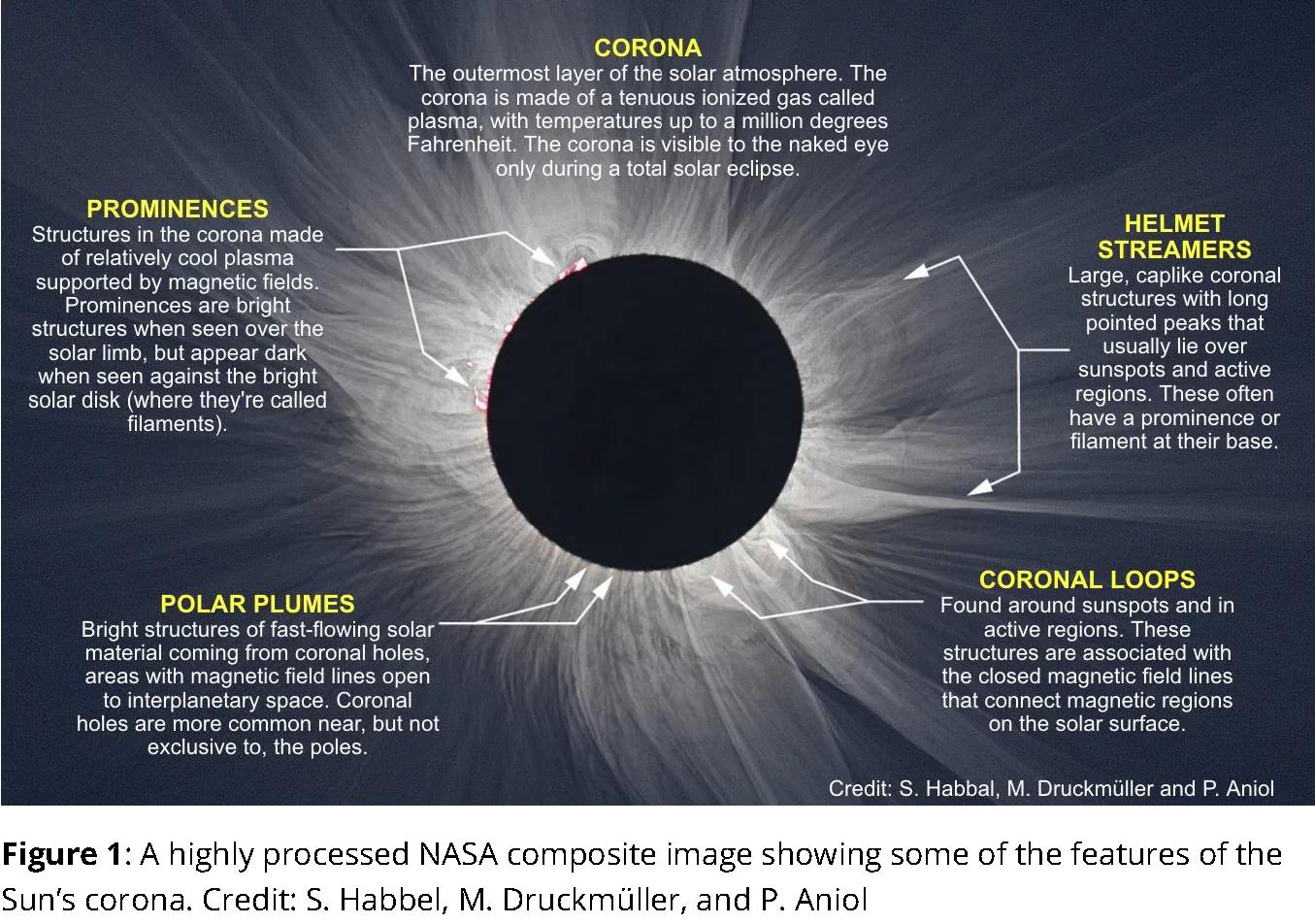
During the long partial phase, the Moon will slowly cover the Sun while the landscape remains surprisingly bright. Shadows may sharpen, the light can acquire a metallic quality, and small gaps between leaves can project hundreds of solar crescents. As totality approaches, the changes accelerate: illumination falls rapidly, the horizon may take on sunset colours in several directions, and the temperature can noticeably drop.
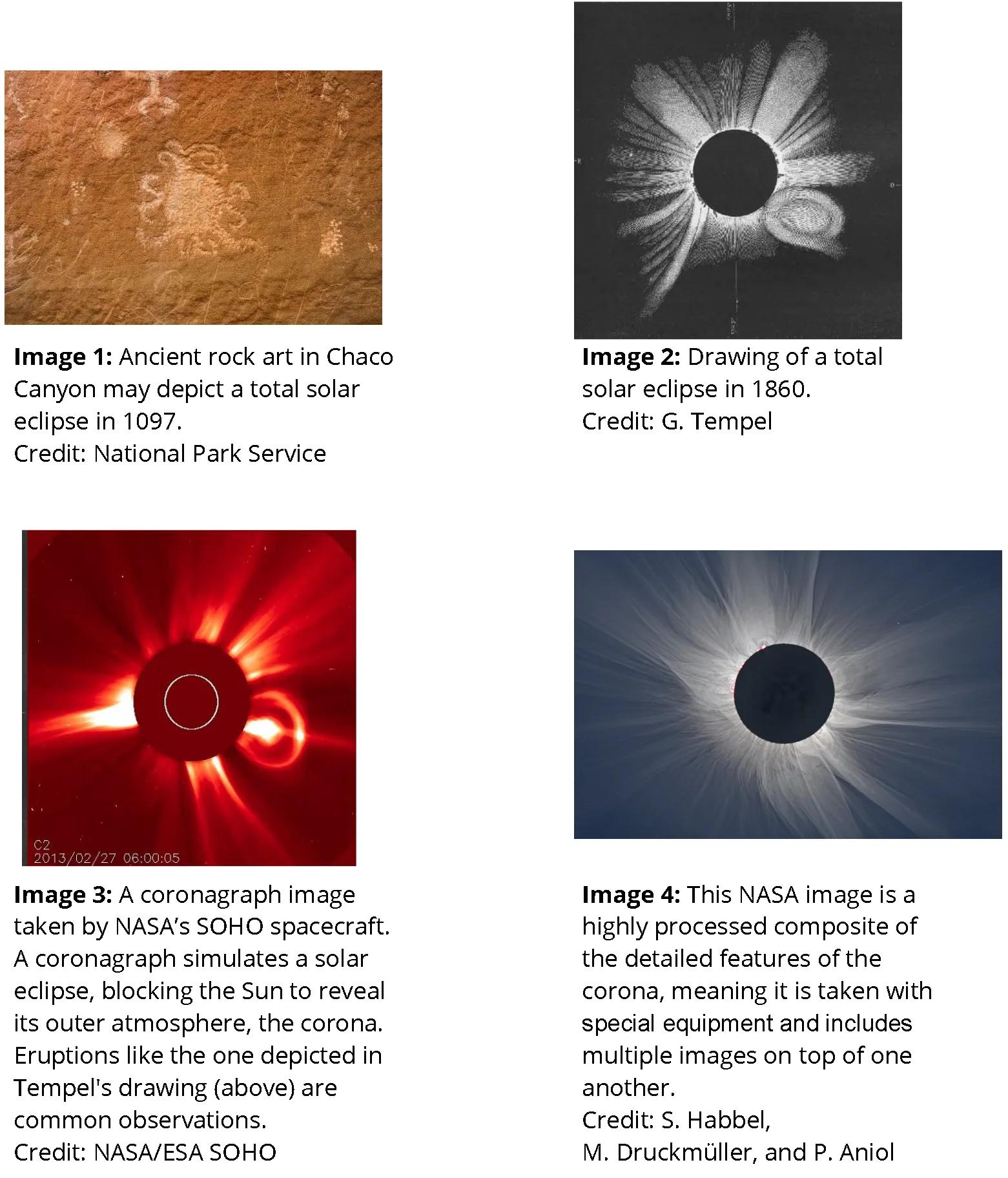
Just before totality, the last fragments of direct sunlight shine through valleys along the Moon’s edge as Baily’s beads. The final brilliant point creates the diamond-ring effect. Only after the bright solar surface is completely covered may unaided observers inside the path remove their solar viewers. The corona then surrounds the black lunar silhouette with pale, structured light.
A short totality can feel like a door opening and immediately closing. Near Luxor, there will be time to get over the initial shock, look at the corona’s shape, notice the darkened landscape, check the horizon and share the moment with the people beside you. Six minutes is still not long enough to waste wrestling with unfamiliar camera settings, which is why a rehearsal matters.
Then the sequence reverses. A bright point of photospheric light returns at third contact. That is the non-negotiable signal to put certified viewers back on immediately.
Is “eclipse of the century” scientifically accurate?
The nickname eclipse of the century 2027 captures how accessible and unusually long this event will be, but it needs qualification. The total solar eclipse of 22 July 2009 reached approximately 6 minutes 39 seconds, making it 16 seconds longer at maximum than the 2027 event. On duration alone, 2009 remains the longest total solar eclipse of the 21st century.
The distinction is geography. The longest portion of the 2009 eclipse occurred over the Pacific Ocean, and poor weather affected many observers on land in eastern China. In 2027, more than six minutes of totality will fall across substantial areas of dry land, including Egypt, beneath historically cloud-sparse summer skies. That combination of duration, accessibility and climate is the real meaning behind eclipse of the century: why 2 August 2027 lasts more than six minutes and why so many people can realistically experience it.
The 2027 eclipse will also be the longest totality visible from land since 1991 and the longest until 2114, according to the cited event overviews. It is exceptional on a human timescale even though it does not set the absolute century record.
Nor is 6 minutes 23 seconds the theoretical ceiling. NASA notes that total eclipses can last up to roughly 7.5 minutes. The longest total solar eclipse in the 12,000-year interval from 4000 BCE to 8000 CE is predicted for 16 July 2186, when maximum totality will reach approximately 7 minutes 29 seconds over northern South America.

Saros 136: the eclipse’s 18-year family history
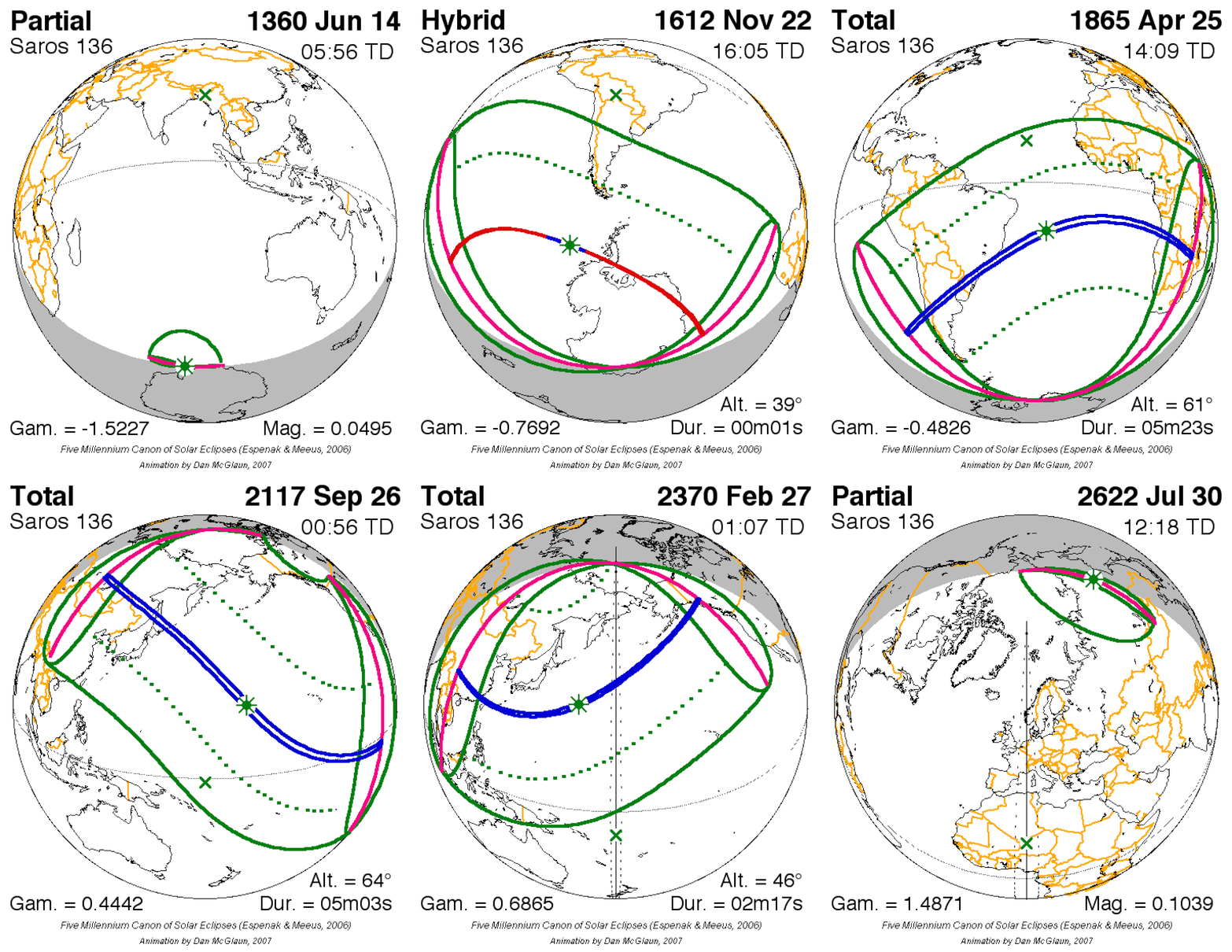
The luxor 2027 solar eclipse is not an isolated accident. It belongs to Solar Saros 136, a family of related eclipses separated by about 18 years, 11 days and eight hours.
After one saros, the Sun, Earth and Moon return to nearly the same relative geometry. The Moon is close to the same orbital node and at a similar distance from Earth, while Earth occupies a similar seasonal position around the Sun. The extra eight hours are important: Earth rotates about one-third of a turn during that interval, so the next eclipse path shifts roughly 120° westward.
This family produced a maximum totality of about 6 minutes 53 seconds on 11 July 1991 and 6 minutes 39 seconds on 22 July 2009. Its 2027 member reaches 6 minutes 23 seconds. The sequence is now shortening, but it remains one of the great long-duration eclipse families of the modern era.
Saros membership does not mean the experiences are interchangeable. The same underlying celestial rhythm can place one maximum over an ocean and another beside the Nile. Geometry repeats approximately; geography transforms the event.
Luxor versus other locations along the path
A path more than 250 kilometres wide gives observers choices, but the durations differ substantially from Spain to Egypt and beyond.
In southern Spain, Cádiz is expected to receive about 2 minutes 51 seconds, while Tarifa reaches approximately 4 minutes 39 seconds. Across the Strait, Tangier in Morocco approaches 4 minutes 50 seconds. Farther east, Oran in Algeria receives roughly 5 minutes 6 seconds, and the Kerkennah Islands off Tunisia about 5 minutes 44 seconds.
The duration passes six minutes in Libya and Egypt. Published tables give Benghazi approximately 6 minutes 7 seconds, Sohag about 6 minutes 22 seconds, and the Luxor area about 6 minutes 19–21 seconds. Across the Red Sea, Jeddah should receive about 6 minutes 2 seconds, while Mecca is closer to 5 minutes 10 seconds.
Those numbers reveal why Luxor attracts attention: it combines near-maximum duration with a high midday Sun and established transport and accommodation. But it is not the only serious option, and the centre line is not automatically worth a difficult or unsafe journey. A reliable site with open sky, controlled access, shade, water and a clear operating plan can beat an improvised roadside position that gains three seconds.
Cairo and Alexandria are outside the path of totality. Cairo is expected to see a deep partial eclipse, around 95% obscuration in published summaries, but even a 99.9% partial eclipse is physically different from totality. If any direct part of the photosphere remains visible, the corona does not emerge in the same way and solar viewers must stay on throughout.
For a wider route comparison, start with our 2 August 2027 planning guide and then inspect individual coordinates on the map.
Weather: clear-sky promise, heat and dust
Climatology makes southern Egypt compelling, but it does not abolish weather. Historical analyses indicate extremely low average cloud cover around Luxor in early August; one cited estimate puts cloud frequency near 0.7%. That is an unusually strong climate signal for eclipse planning.
Yet “usually cloudless” is not the same as guaranteed transparency. Thin cirrus can occur, and windblown dust or haze may reduce contrast around the corona even when ordinary weather apps show a clear-sky icon. Local visibility, wind and dust forecasts will matter in the final days.
Heat is the more predictable challenge. Afternoon temperatures around Luxor in August can approach or exceed 40°C, with some event guidance using figures near 43°C (109°F). Maximum eclipse occurs close to 1 p.m. local time, so observers may spend hours outdoors during the hottest part of the day. Shade, drinking water, sun protection, medical planning and a short route from an air-conditioned base are operational essentials—not optional comforts.
A long totality does not justify heat exposure or a last-minute desert drive. Families, schools and groups should decide in advance how early to arrive, where people can shelter, who carries water and first-aid supplies, and how everyone will leave if roads become congested.
Tours, hotels and cruises: judge the observing plan, not the headline
Demand for a luxor eclipse tour 2027 or solar eclipse 2027 tours will naturally grow as the date approaches. A credible itinerary should identify the proposed viewing zone, backup options, transport timing, access to shade and water, and the person responsible for calling a weather-related move. A vague promise of “the best view” is not a substitute for coordinates and logistics.
The same test applies when comparing luxor eclipse 2027 hotels. Ask whether the viewing area has an unobstructed southern sky, whether rooftop capacity is controlled, whether guests can enter early, and whether power, toilets, water and emergency access remain available during the event. Do not assume that a famous view of a monument automatically makes a workable eclipse site; permissions, crowd limits and sightlines may decide otherwise.
A solar eclipse 2027 cruise offers mobility and an open horizon, but it also introduces trade-offs: ship position, deck capacity, vibration, sea haze and the operator’s willingness to alter course. Around Gibraltar and the western Mediterranean, historical cloud patterns are less favourable than in southern Egypt, although a vessel may have some room to manoeuvre.
Whatever you book, insist on a written cancellation policy and independently verify the proposed location with an eclipse map. Avoid treating a package label as astronomical evidence.
Eye safety before, during and after totality
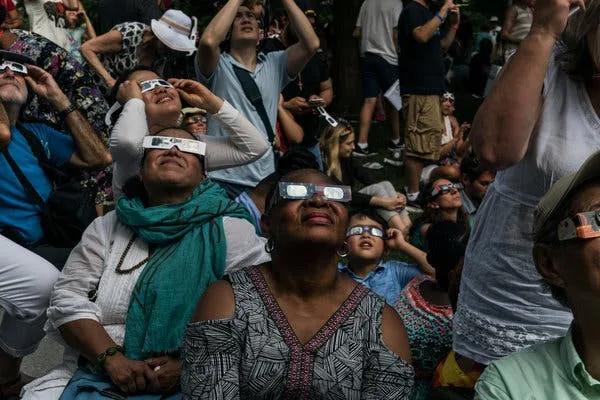
The long partial phases are not safe for direct viewing without proper solar filters. Ordinary sunglasses do not provide adequate protection, no matter how dark they appear. Use purpose-made viewers that conform to ISO 12312-2, inspect them for scratches, tears, punctures or loose filter material, and supervise children.
Inside the path of totality, viewers may come off only when the Moon has completely covered the Sun’s bright face. Put them back on as soon as the first brilliant point returns. Outside the path—including Cairo—and during every partial or annular eclipse, there is no glasses-off interval.
Binoculars, telescopes and camera lenses require properly fitted solar filters over the front aperture. Never look through magnifying optics while wearing ordinary eclipse glasses; concentrated sunlight can damage the viewer and your eyes. Seek specialist guidance before attempting magnified solar observing or photography.
When preparing a group, product descriptions such as solar eclipse glasses iso 12312-2 certified or certified solar eclipse glasses should lead you to verify the standard claim, manufacturer information, instructions and physical condition—not simply trust a marketplace headline. NASA does not approve commercial viewer brands, so wording such as “NASA approved” is not a meaningful certification.
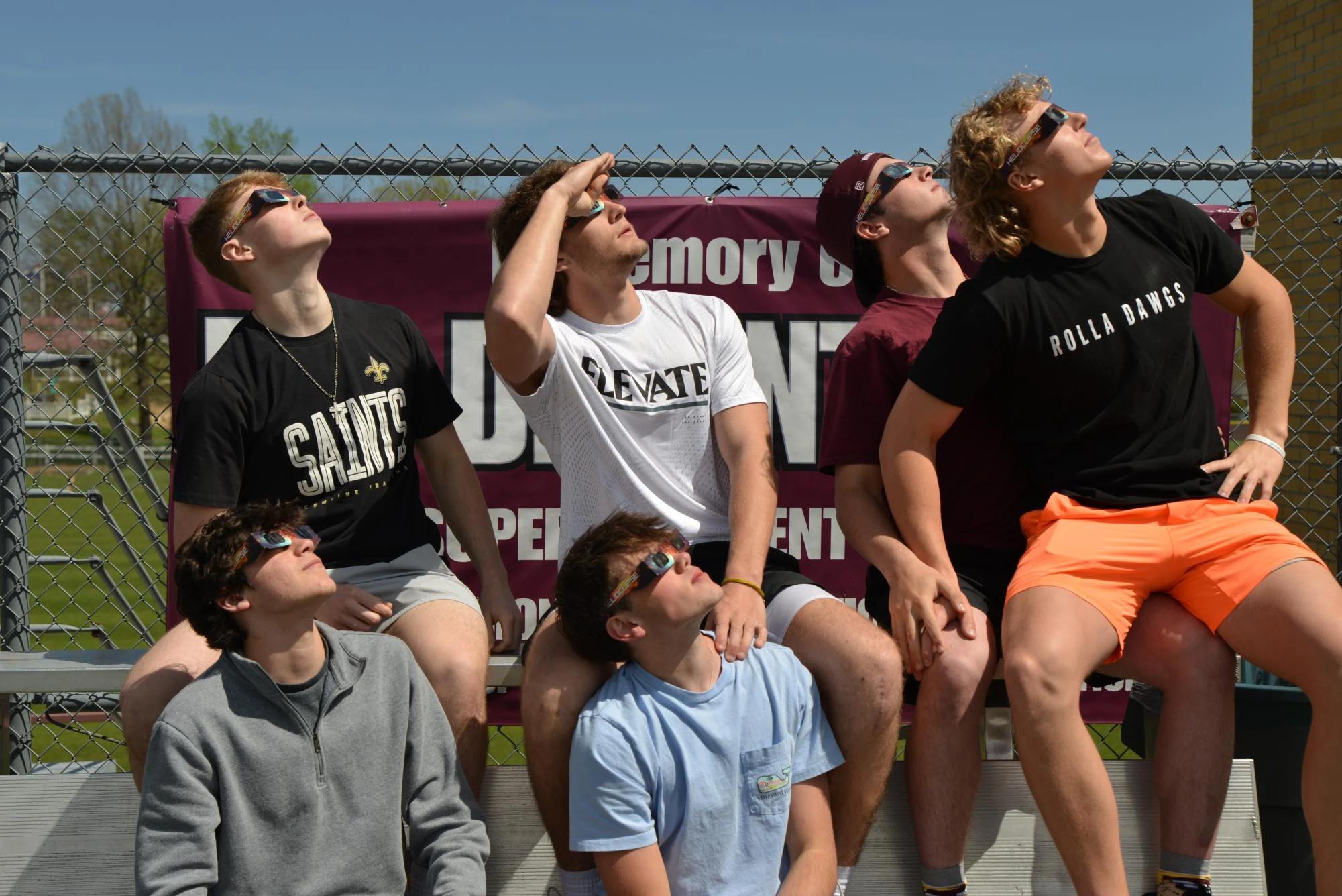
Order Helioclipse solar eclipse glasses early enough to inspect them and rehearse with your group. Whether you call them eclipse viewing glasses or iso certified eclipse glasses, each person should understand when to put them on, when they may come off during true totality, and who will announce third contact. Our guide to eclipse phases and viewer timing provides a simple sequence for first-time observers.
A practical Luxor countdown
The phrase luxor 2027 eclipse can make the event sound like one destination and one moment. In practice, successful observing depends on a chain of decisions made months—and sometimes years—before the shadow arrives.
Before booking
Confirm that the proposed site lies inside the path of totality. Compare its duration with central-line locations, but also assess road access, legal permission, crowd capacity and heat management. If a solar eclipse 2027 cruise or land tour will not disclose its expected observing zone, ask why.
Months before the eclipse
Tell your family, friends or school group early. Reserve accommodation with flexible terms, arrange transport that does not depend on a last-minute taxi, and obtain ISO 12312-2 viewers for everyone. Assign roles: timekeeper, safety caller, equipment lead and the person whose only job is helping children or first-time viewers.
The day before
Check official weather information, wind and dust conditions—not just cloud percentage. Confirm the site, backup plan and departure time. Charge devices, but print or write down essential contacts and timings in case mobile networks become congested.
Eclipse morning
Arrive well before the partial phase becomes advanced. Set up shade and water first, cameras second. Practise putting viewers on before looking up and turning away before removing them. Agree on clear spoken calls for “glasses on,” “totality,” and “glasses on now.”
A family calendar note that says eclipse 2027 August is not enough: circle Monday, 2 August, attach the exact location, and include the local contact-time sheet generated for that site.
The Eclipse of the Century: Why August 2, 2027 Lasts 6+ Minutes
Flaskom
Frequently asked questions
What is the longest totality duration mentioned for the 2027 total solar eclipse?
The maximum totality on 2 August 2027 is expected to last approximately 6 minutes 23 seconds at greatest eclipse. This point is projected to be about 64 kilometres southeast of Luxor, while locations in and around Luxor may receive about 6 minutes 19–21 seconds.
What time will the solar eclipse be visible on 17 February 2026?
The excerpt does not provide timing or visibility information for an eclipse on 17 February 2026. It covers the total solar eclipse of 2 August 2027, with greatest eclipse at approximately 10:06 UTC.
Which phase of the Moon is required for a solar eclipse?
The excerpt does not identify the Moon phase required for a solar eclipse. It explains that totality occurs when the Moon’s dark central shadow, or umbra, crosses Earth and covers the Sun’s bright surface.
Why will totality near Luxor last more than six minutes on 2 August 2027?
Near Luxor, the eclipse will occur close to the location of greatest eclipse, where totality is expected to reach approximately 6 minutes 23 seconds. Luxor itself is expected to receive nearly that full duration—about 6 minutes 19–21 seconds—depending on the exact viewing location and prediction model.
What are the key timing and location details for the long 2027 eclipse near Luxor?
The total solar eclipse will occur on Monday, 2 August 2027, with greatest eclipse at approximately 10:06 UTC near 25.5° north, 33.2° east. Around Luxor, maximum eclipse is expected near 1:02 p.m. local time, and the Sun will be roughly 82° above the horizon.
On-site next steps
- Open the Helioclipse Eclipse Explorer and compare Luxor with the point of greatest eclipse southeast of the city. Check totality status, duration and local timing for your actual coordinates.
- Read our full 2027 planning guide and make a heat, transport and backup-site plan with your group.
- Review the phase-by-phase safety guide so everyone knows exactly when viewers stay on and when they may come off.
- Get ISO 12312-2 certified Helioclipse viewers early, inspect them before travel and rehearse the totality sequence with children and first-time viewers.
Sources & further reading
- Where to see the next solar eclipse — Astronomy
- Total solar eclipse 2027 — Everything you need to know about the ‘eclipse of the century’ — Space.com
- Why is the 2027 total solar eclipse being called the ‘eclipse of the century’? — Space.com
- Luxor 2027: A Total Solar Eclipse for the Ages — Sky & Telescope
- 2027 Preview — Astronomy Sky Guide
- Why Do Eclipses Happen? — NASA Science
- Eclipse Glossary — NASA Science
- Eclipses Frequently Asked Questions — NASA Science
- How to View a Solar Eclipse Safely — American Astronomical Society
- About the ISO 12312-2 Standard for Solar Viewers — American Astronomical Society